


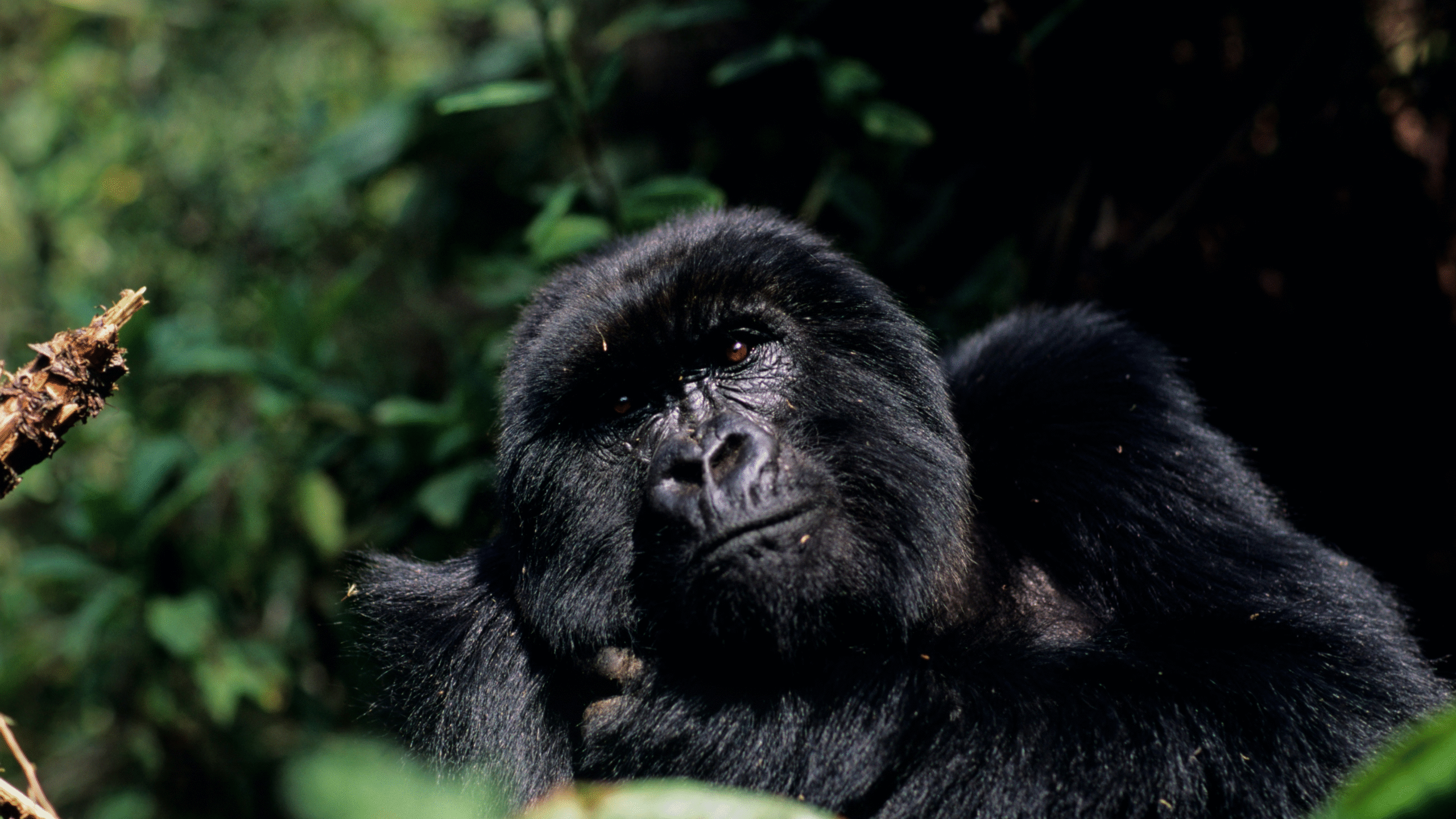
Rwanda greets you quietly, with a subtle confidence. Its hills roll endlessly, a patchwork of tea plantations, banana groves, and forests that seem to climb into the clouds. Known as the “Land of a Thousand Hills,” it’s easy to see why – every bend in the road reveals another green slope, another shimmering lake, another village where life unfolds slowly, almost theatrically, against this stunning backdrop.
This is a country defined by contrasts. Kigali hums with understated energy: cafés and art galleries sit alongside historic memorials, contemporary design meets tradition, and the warmth of its people is palpable if you take the time to notice. Outside the capital, the landscape changes almost imperceptibly, rising toward the northwest where volcanoes pierce the sky and bamboo forests thicken with life. Here is where Rwanda’s most extraordinary wildlife experiences await: the mountain gorillas of the Virunga Mountains.
Seeing these gorillas requires planning – permits, guides, precision timing – but it’s absolutely worth the effort (and we’ll do all that for you). Trekking isn’t a casual stroll; it’s an intimate immersion into their world, and the journey through the forest reveals as much about Rwanda itself as it does about the gorillas. Seasons, trail conditions, and the location of each habituated group all play a role in shaping the day, making advance planning crucial if you want the experience to feel effortless, rather than rushed.
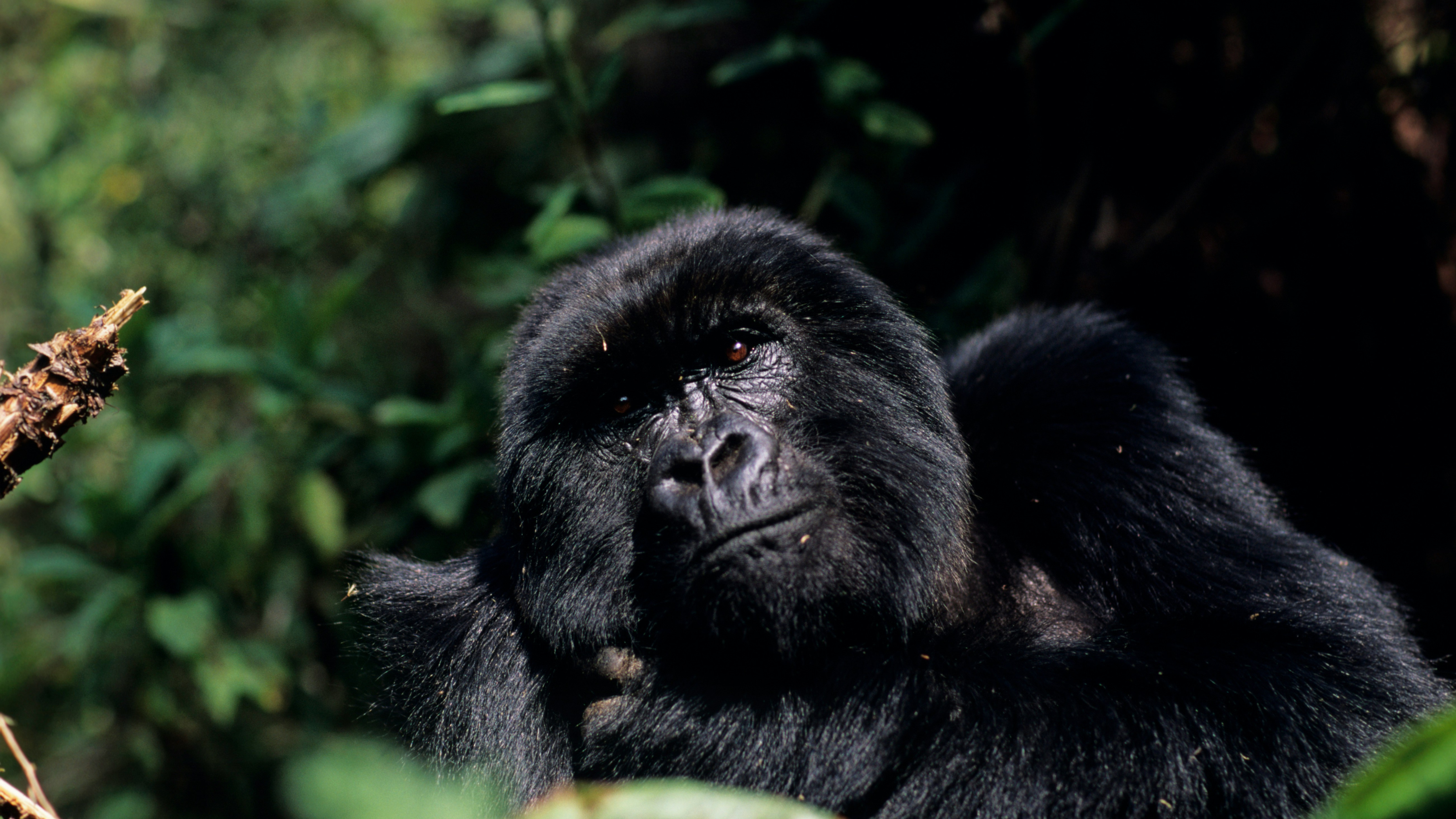
The northwest corner of Rwanda, where Volcanoes National Park sits, is dramatic and immediately compelling. This is the first national park in Africa, established in 1925 to protect the gorillas that were already under threat from poaching. Over the decades, the park has expanded, contracted, survived civil unrest, and become a conservation model. Dian Fossey’s legacy here is impossible to overlook; visiting the Karisoke Research Centre, where she studied gorillas for decades, offers both history and perspective. Her grave lies among gorilla resting sites – a quiet but powerful reminder of her work and the fragility of the species she fought to save.
The park itself is a study in variety. Volcanoes rise from thick bamboo groves to high-altitude forests where mist clings to ferns and moss-covered trunks. Depending on which habituated gorilla group you are trekking, you may walk an hour or five hours through the forest – each step a discovery. The trails wind through farmland, past local villages, and then climb into the forest where silence dominates. Occasionally, it’s broken by the snap of a twig or a distant gorilla call, the sound both foreign and oddly familiar.
If you’ve got Gorilla Trekking on your bucket list, a gorilla permit is essential. Planning ahead is non-negotiable; for peak periods like June through September, or the drier months of December to February, permits can sell out months in advance. If your travel style is boutique and luxurious, it’s worth securing permits at least nine months ahead to guarantee access to your preferred lodges and groups.
The trek itself is not exactly gentle. Trails can be muddy, steep, and slippery, and altitude adds a subtle challenge. For keen hikers, expect the unexpected: one group might be an hour’s walk, another several hours, winding uphill through bamboo thickets. Guides are exceptional – trained to read gorilla behaviour, interpret the forest, and keep you both safe and unobtrusive. The reward is extraordinary: watching a gorilla family in their natural habitat, toddlers playing under their mothers’ watchful eyes, a dominant silverback standing with measured authority, the quiet intimacy of a family unit undisturbed by human presence.
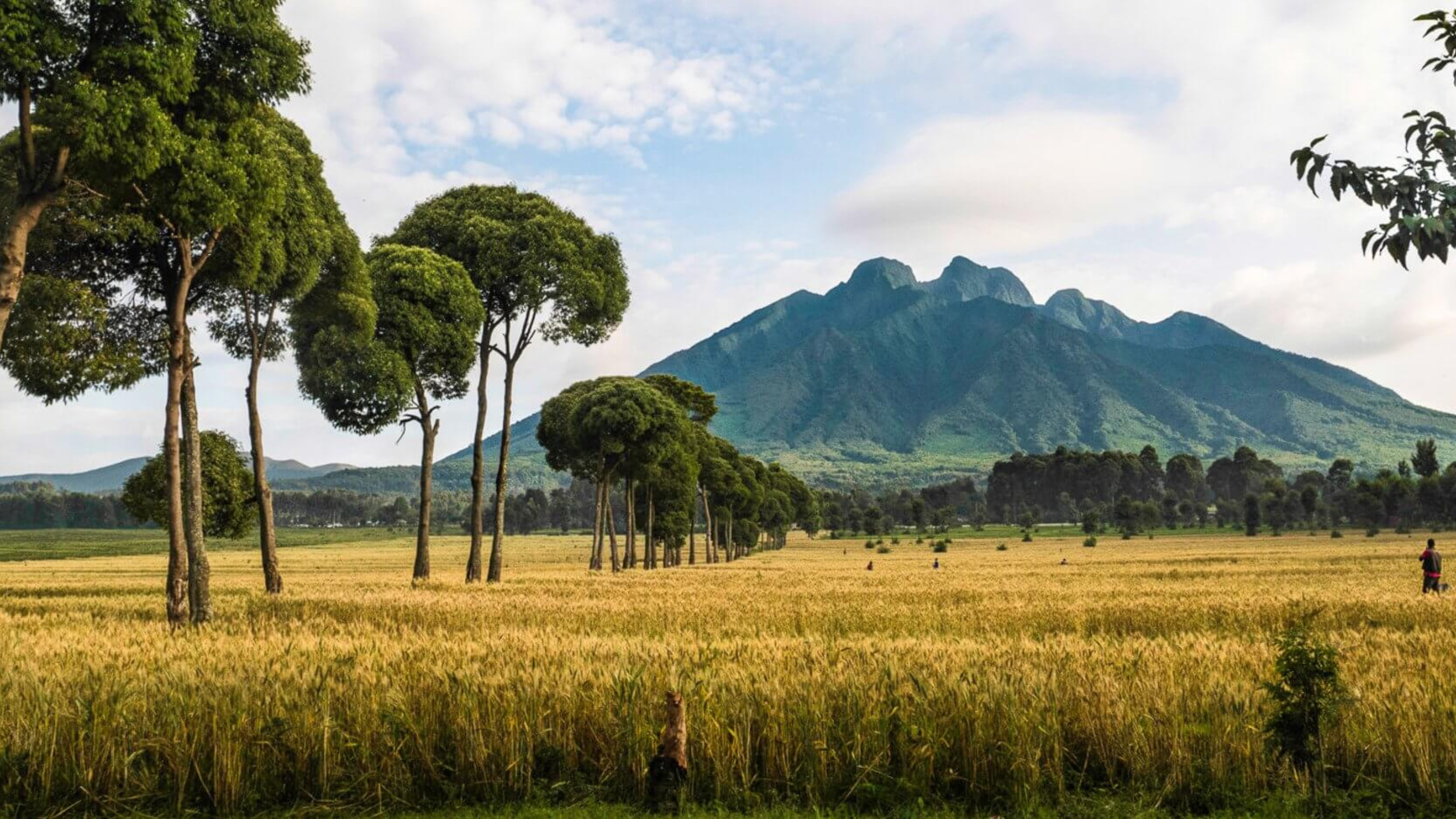
Rwanda’s climate is forgiving but influential. The dry seasons (June–September and December–February) are the best windows for gorilla trekking: trails are easier to navigate, and wildlife is often more visible. Rain can make the forest slippery and the experience physically demanding. That said, the green season has its own charms – the forests are lush, waterfalls are fuller, and the landscape is astonishingly vivid. The key is matching your visit to your energy and tolerance for mud, rain, and longer treks.
Accommodation near Volcanoes National Park ranges from ultra-luxe lodges to intimate eco-retreats, each offering a slightly different perspective on the forest and gorilla experience. Wilderness Bisate blends into the hillside, giving guests private decks with uninterrupted views over the volcanoes and bamboo groves, and a strong focus on conservation.
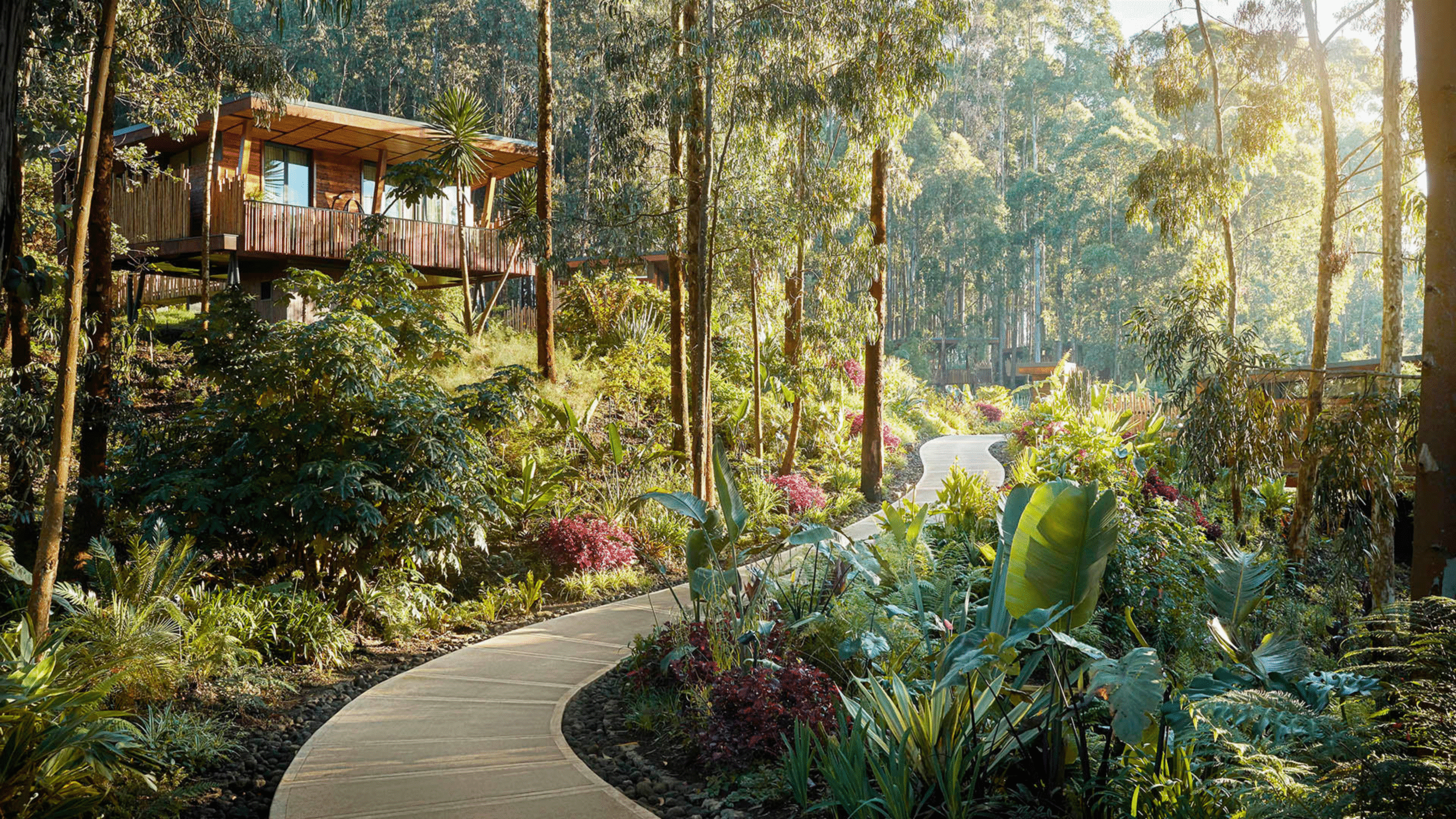
For those who prefer something iconic, Singita Kwitonda Lodge offers beautifully designed suites tucked into the forest edge, where service is understated but impeccable, and the silverbacks feel surprisingly close – you can almost hear the rustle of bamboo from your deck. One&Only Gorilla’s Nest (pictured below), meanwhile, provides wooden villas set among eucalyptus groves, combining comfort with the thrill of being immersed in gorilla country.
Elsewhere, Kigali’s boutique hotels provide a cultured city base before heading into the mountains, while Lake Kivu lodges offer a slower pace after your forest adventures – perfect for reflection and gentle exploration. Each property we recommend balances thoughtful design, sustainability, and a sense of personal connection to Rwanda’s landscapes and communities.
While the gorillas dominate the conversation, Rwanda offers much more. Golden monkeys, endemic to the Virunga range, are playful and surprisingly social. Nyungwe National Park in the southwest is a rainforest paradise, home to chimpanzees, colobus monkeys, and a staggering array of birdlife. Lake Kivu’s waters and islands invite boating, gentle hikes, and encounters with local fishing communities. Every region has its stories: tea plantations where leaves are handpicked daily, villages preserving traditional crafts, and landscapes shaped by both nature and human resilience.
Rwandan cuisine is also worth exploring. Farm-to-table simplicity reigns, with dishes built around fresh, local ingredients. Spicy broths, fresh beans, sweet bananas, and artisanal coffee feature at every turn, giving a flavour of the country that lingers as much as its vistas.
Permits: Book early, particularly if you’re visiting in high season or want to combine with luxury lodges.
Fitness: Trekking ranges from moderate to challenging. Prepare for muddy trails, steep inclines, and unpredictable weather.
Packing: Waterproof boots, long sleeves, and insect repellent are essential. A good pair of binoculars and a camera with zoom will enhance your experience.
Local Guides: The guides’ knowledge is invaluable. Listen to their cues, follow instructions carefully, and respect the gorillas’ space.
Timing: Start early in the morning; gorillas are most active then, and mornings in the forest have a particular hush and mist that photography loves.
Sustainability: Support lodges and experiences that give back to the local communities and conservation efforts.
Rwanda is a country that rewards curiosity and attentiveness. Its hills, lakes, and forests are stunning, but it’s the people and wildlife that leave a lasting impression. Gorilla trekking is the headline, but the richness of the journey – village visits, eco-conscious lodges, and encounters with endemic species – is what makes it unforgettable. The experience is meticulously managed, yet it feels organic and deeply personal. You leave the forest changed, with the memory of eyes meeting eyes, the gentle rustle of bamboo, and the knowledge that you’ve glimpsed a rare and remarkable world.
If Rwanda is on your wish list, the first step is getting in touch. We can help secure permits, choose lodges that align with your style, and plan every detail from transfers to excursions. Whether you want a serene lodge overlooking Lake Kivu, a luxury villa in Volcanoes National Park, or a multi-day rainforest adventure, we’ll make sure your trip is seamless, meaningful, and unforgettable.
Enquire with us today to start crafting your Rwandan journey. Your gorilla adventure, and so much more, awaits.


PRIVACY POLICY
WEBSITE CREDIT